Article updated in February 2026 to reflect the latest developments in U.S. Border Crossing Cards and online verification tools.
The U.S. Border Crossing Card (BCC) is an identification document issued to Mexican nationals, allowing them to enter specific border areas of the United States for a limited period when entering by land or sea.
Used in various contexts (immigration checks, KYC, onboarding, compliance), the Border Crossing Card is also exposed to document fraud risks: expired cards, visual alterations, inconsistencies between data fields, MRZ falsification, or identity theft.
In 2026, it is now possible to perform an initial online verification using documentary analysis and automatic MRZ reading, before completing the process with an in-depth visual inspection of the document.
How can you verify a U.S. Border Crossing Card and ensure that the document presented is authentic?
This guide answers that question through 4 essential verification checks.
Need more information on how to verify the authenticity of your ID documents ? Check out our comprehensive guide to verifying ID documents, which includes all the resources available !
Check 0: Automatic verification of a U.S. Border Crossing Card
Before any manual or visual inspection, it is now possible to perform an initial automatic online verification of a Border Crossing Card from a simple image of the document.
This step allows in particular:
- automatic MRZ reading
- validation of check digits
- detection of inconsistencies between data fields
- generation of a timestamped PDF report
⚠️ There is no public official database allowing formal validation of a U.S. Border Crossing Card.
Online verification is therefore based on documentary analysis and must be complemented by a visual inspection of security features.
Check 1: Verify the general appearance of a U.S. Border Crossing Card
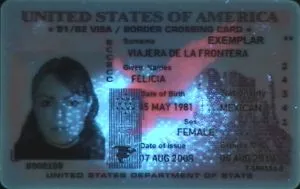
The first step in verifying a U.S. Border Crossing Card, when you have access to the original document, is to check the overall appearance: there must be no signs of cutting, peeling, modification, or any rectification.
Pay close attention to the level and area around the photo especially.
The U.S. Border Crossing Card is in ID-1 format, the size of a credit card, similar to new biometric identity cards, for example.
Check 2: Verify the information on a U.S. Border Crossing Card
The second step for verifying a U.S. Border Crossing Card online is to check the consistency of the information on the document.
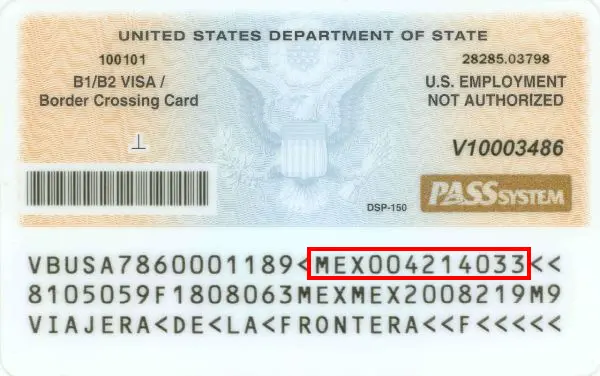
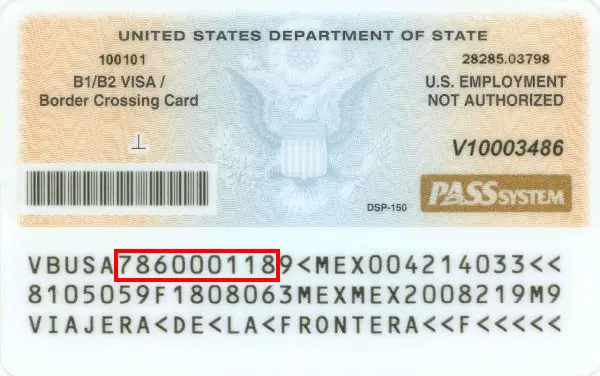
Document Number
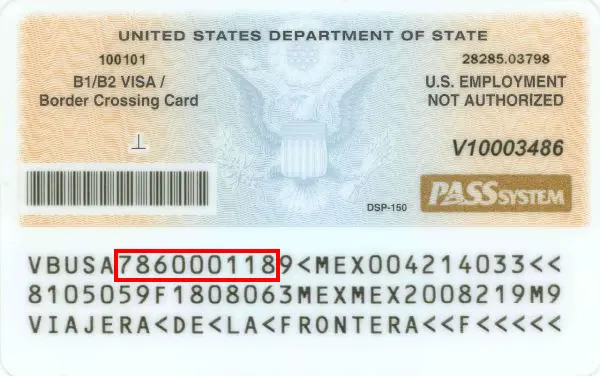
The document number can be found in the first line of the MRZ:
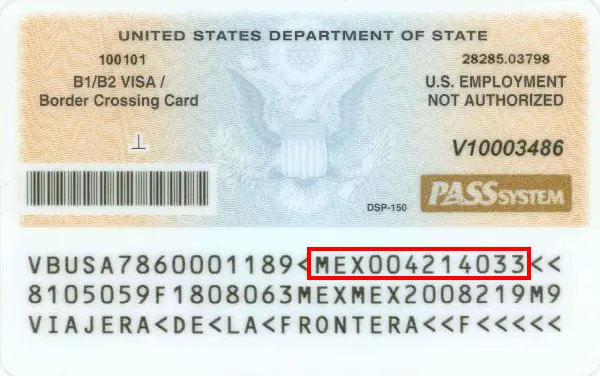
U.S. Visa Number
The U.S. visa number can be found in the first line of the MRZ:
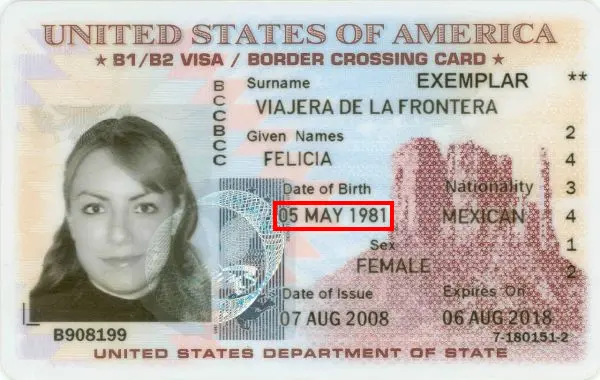
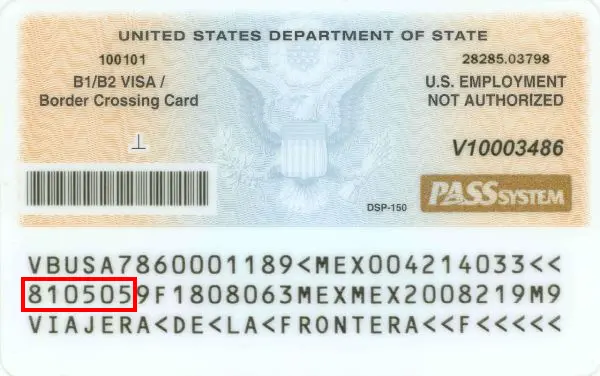
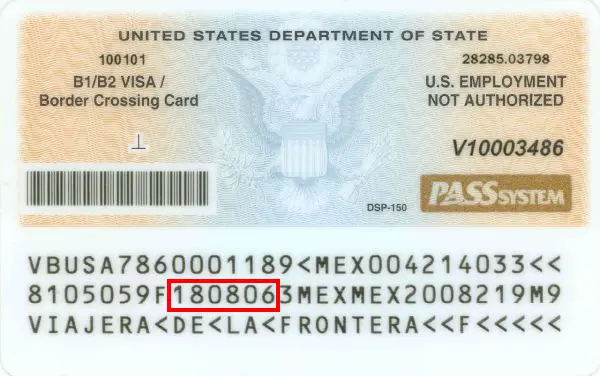
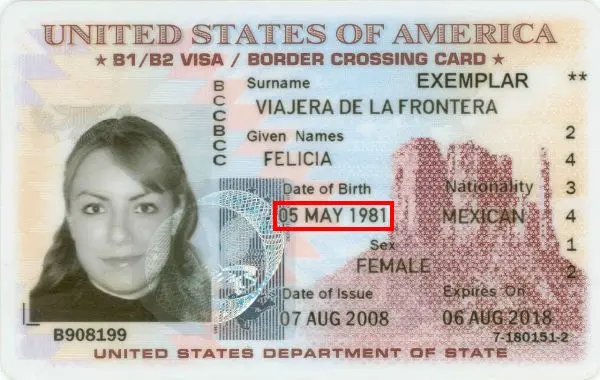
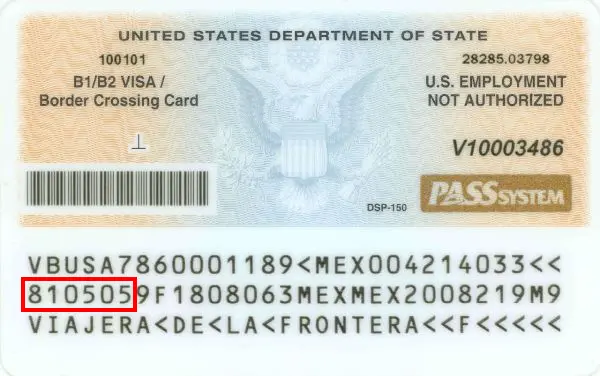
Date of Birth
The holder’s date of birth can again be found in two distinct places: in the middle of the card front and at the beginning of the second MRZ line in the YYMMDD format:
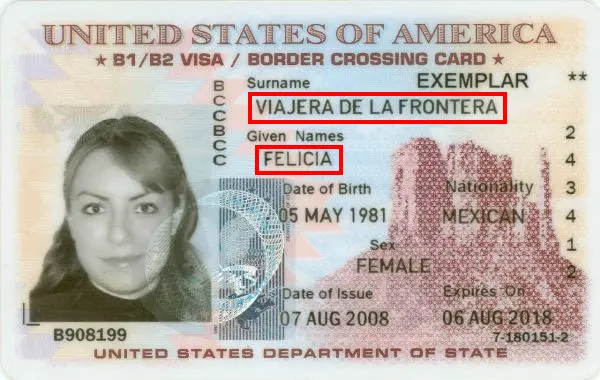
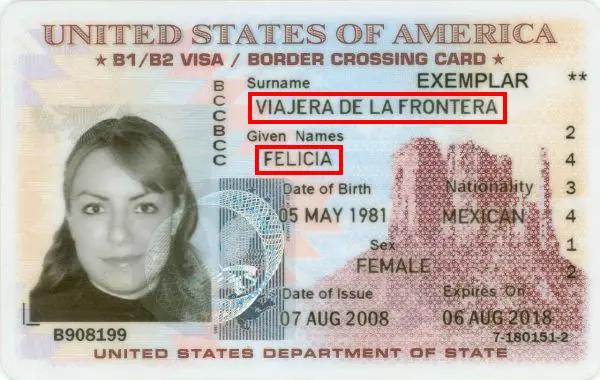
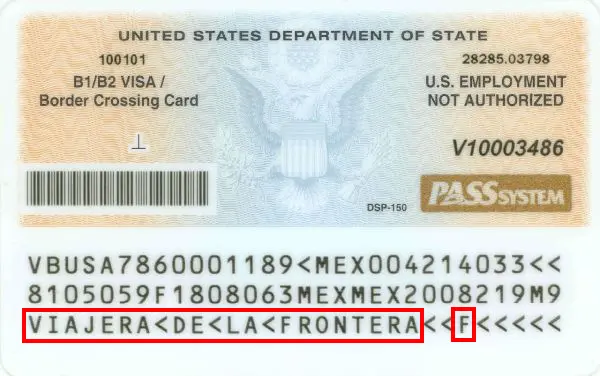
Name and Given Names
Similarly, the surname and given names can be found on the front of the card and in the third line of the MRZ:
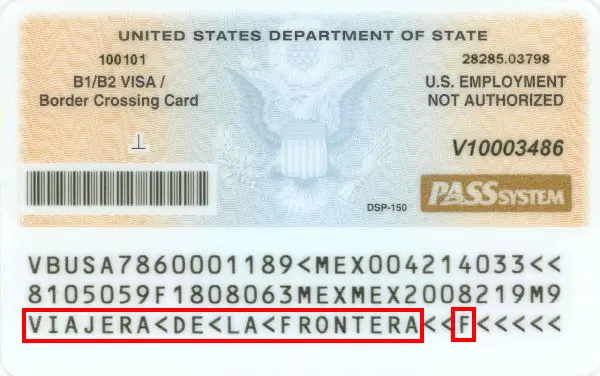
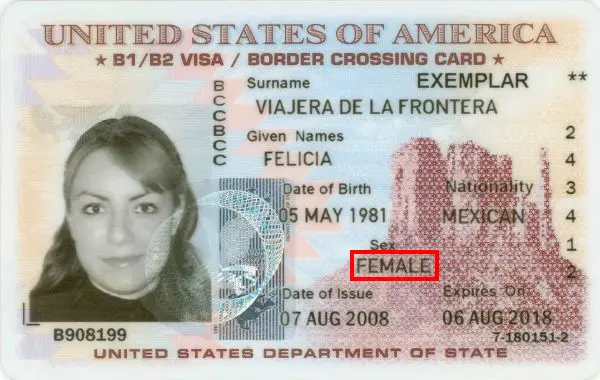
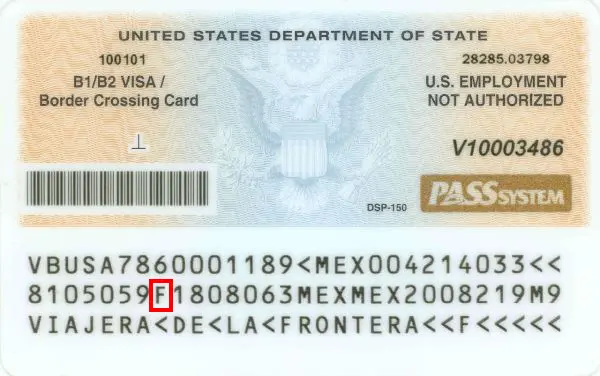
Holder’s Gender
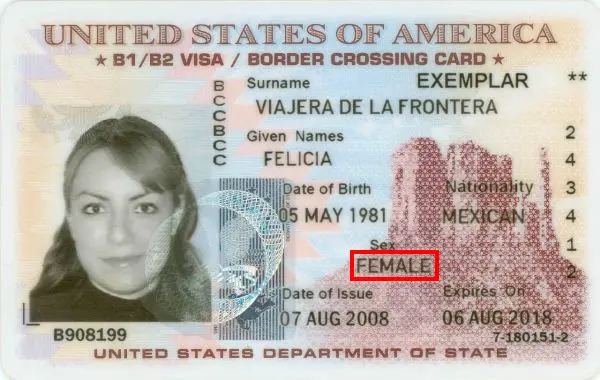
The holder’s gender is indicated by “M” for male and “F” for female. This information is found on the front of the card and in the second line of the MRZ:

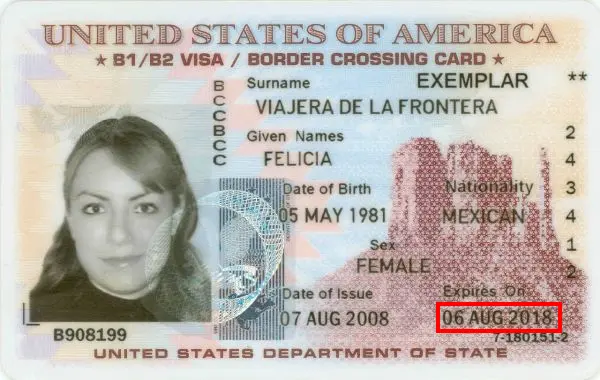
Card Expiration Date
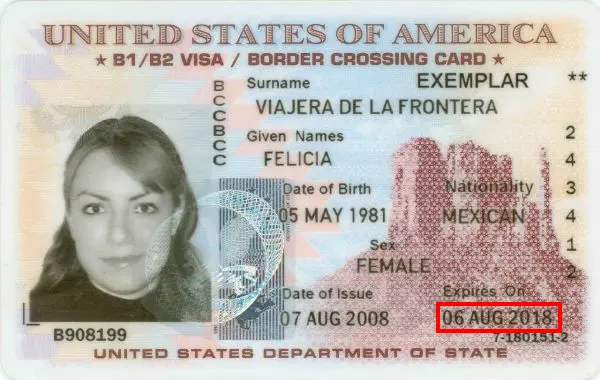
Finally, the last element present twice on the card: the expiration date, which can be found on the front as well as in the second MRZ line in YYMMDD format:
Individuals, do you occasionally need to verify one or more identity documents ?
Professionals, do you need to integrate proof of identity validation into one of your business processes, including all European identity cards and global passports ?
Check 3: Verify the MRZ of a U.S. Border Crossing Card
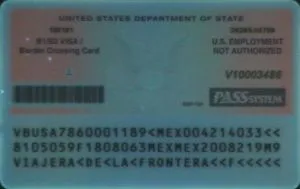
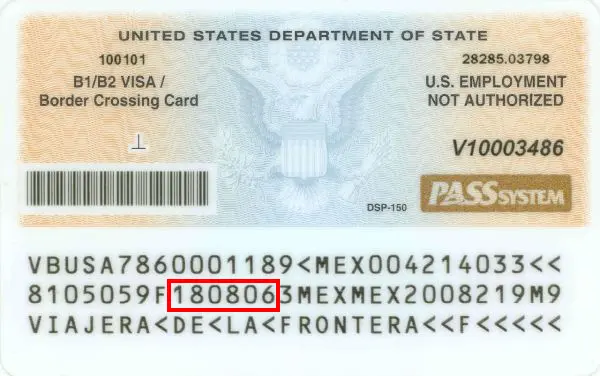
The lower part of the U.S. Border Crossing Card consists of three lines that reproduce the information present on the card, with validation keys that prevent reading errors or forgery.
Structure of the MRZ of the U.S. Border Crossing Card
First Line

- Document Type: 2 characters, code indicating the type of document, represented by the letters “VB.”
- Issuing Country: 3 characters, the ISO 3166-1 alpha-3 code of the issuing country; for the United States, this is “USA.”
- Card Number: 9 characters, unique card number.
- Check Digit: 1 character, check digit of the unique card number.
- End of Line: 15 characters, internal administrative codes with “<” chevrons to fill the line.
Second Line

- Date of Birth: 6 characters, year, month, and day of birth in YYMMDD format.
- Check Digit: 1 character, check digit of the date of birth.
- Sex: 1 character, “M” for male, “F” for female.
- Expiration Date: 6 digits, card expiration date in YYMMDD format.
- Check Digit: 1 character, check digit of the expiration date.
- Country Code: 3 characters, ISO 3166-1 alpha-3 code of the holder’s nationality (in this case MEX).
- Internal Number: 11 characters, internal administrative number.
- Check Digit: 1 character, check digit of the concatenation of characters from line 1 positions 6-15, line 2 positions 1-7, and line 2 positions 9-15.
Third Line

- Holder’s Last and Given Names: holder’s last and given names, starting with the surname followed by the given name. The surname and given name are separated by two “<” characters. If the surname is compound, or the given name is compound or has multiple given names, they are separated by the “<” character. Spaces and apostrophes are replaced by the “<” character, and the name is truncated to 30 characters if necessary, with any accents removed. The line is then completed by the “<” character.
Security Keys of the MRZ Line on the U.S. Border Crossing Card
A U.S. Passport Card contains 4 check digits (or security keys) that validate the preceding information.
They help avoid transcription errors or modifications, intentional or not.
How Does the Algorithm Work?
The algorithm used to create and validate the check digits is common to all identity documents: characters have a weight multiplied by a factor depending on their position in the string (7, 3, and 1).
Digits have their face value (“0” = 0, “1” = 1, …, “9” = 9), the chevron “<” also has a value of 0, while letters start at 10 for “A”, 11 for “B” up to 35 for “Z”.
Example
Let’s take the check digit for the date of birth of the specimen above as an example.
The string to validate is: “810505”.
To calculate the check digit, we proceed as follows:
– “8” has a weight of 8 and is in the first position, so multiply by 7: 8 * 7 = 56
– “1” has a weight of 1 and is in the second position, so multiply by 3: 1 * 3 = 3, added to 56 gives 59.
– “0” has a weight of 0 and is in the third position, so multiply by 1: 0 * 1 = 0, added to 59 gives 59.
– 5 * 7 = 35 and 35 + 59 = 94
– 0 * 3 = 0 and 0 + 94 = 94
– 5 * 1 = 5 and 5 + 94 = 99
We obtain a total of 99, from which we take the modulo 10 (the remainder of the Euclidean division by 10), which corresponds to keeping only the last digit, “9”.
Our check digit is therefore valid as the document shows the digit 9!
Check 4: Verify the Security Features of a U.S. Border Crossing Card
The document includes various security features that help validate its authenticity.
This is the final step in verifying a U.S. Border Crossing Card, as it is the most detailed.
Front
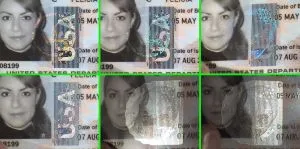
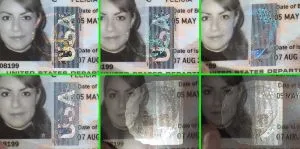
Holographic Device
A next-generation holographic device is used to protect the cardholder’s photograph.
This device changes color depending on the viewing angle:
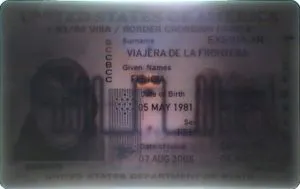
Electronic Chip
An electronic chip is embedded in the card, enabling contactless reading of the information on the document.
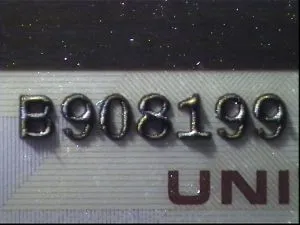
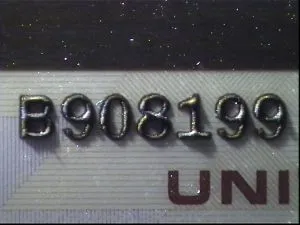
Laser Engraving
Laser engraving of raised characters.
This feature is found on the front, top left of the card:
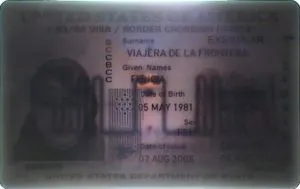
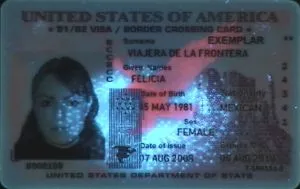
Ultraviolet Check
Some elements are only visible under ultraviolet light, but this requires specialized equipment (thus not suitable for verifying a U.S. Border Crossing Card online).
Back
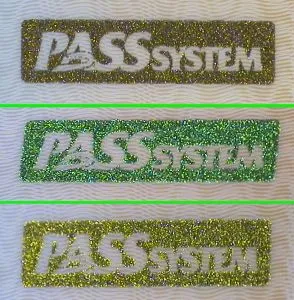
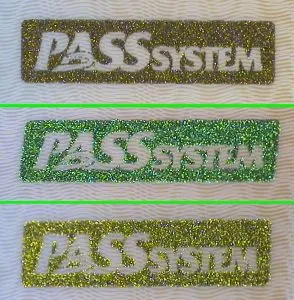
Optically Variable Ink
The ink changes color depending on the viewing angle.
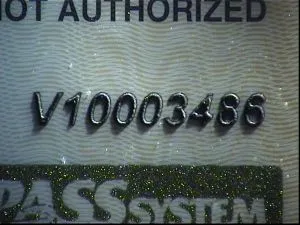
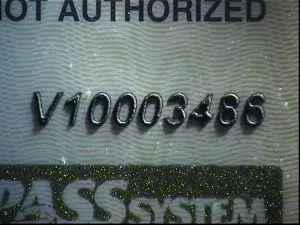
Laser Engraving
Laser engraving of raised characters.
This feature is found on the back, top right of the card:
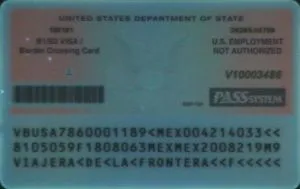
Ultraviolet Check
Some elements are visible only under ultraviolet light.
Conclusion
You now have all the keys to verify a U.S. Border Crossing Card online and ensure it is authentic!
No specialized equipment is needed: just some vigilance and time, and you can avoid most of the frauds you might encounter daily!
To go further, an online document verification solution can be used to automate these checks.
For example, TrustDocHub allows automatic verification of a U.S. Border Crossing Card from an image, with results available directly in the application and as a PDF report.
Individuals, do you occasionally need to verify one or more identity documents ?
Professionals, do you need to integrate proof of identity validation into one of your business processes, including all European identity cards and global passports ?