
Document verification: methods, checks, and fraud detection
Document verification consists of analyzing a document in order to confirm its authenticity and detect potential falsifications. It is used to verify identity documents, administrative records, PDF files, and other digital documents.
With the digitization of exchanges, documents are increasingly transmitted in digital form. While this evolution facilitates communication, it also increases the risk of document fraud. Some documents can be modified using editing software, making falsifications difficult to detect without in-depth analysis.
Document verification relies on analyzing security features, checking data consistency, validating information, and performing technical file analysis.
Document verification categories
What is document verification
Document verification consists of analyzing a document to determine whether it is authentic, valid, and not falsified. It allows the detection of inconsistencies, modifications, and fraud attempts.
This verification can be carried out manually or using automated tools capable of analyzing the document’s data and technical characteristics.
It is an essential step in identification, compliance, and fraud prevention processes.
Which documents can be verified
Many types of documents can be verified to confirm their authenticity. Identity documents are the most frequently verified, including passports, ID cards, and driver’s licenses.
Digital documents such as PDF files, administrative records, and financial documents can also be analyzed to detect potential modifications or falsifications.
Verification helps confirm the validity of a document and detect anomalies.
How to verify a document
Document verification relies on several elements. Analyzing visible information helps check data consistency and detect potential inconsistencies.
Verifying security features helps confirm the document’s authenticity. For identity documents, analyzing the MRZ (Machine Readable Zone) allows validation of the information using check digits defined by the ICAO 9303 standard.
Metadata analysis and file structure examination also make it possible to identify invisible modifications and manipulations.
The use of automated tools improves the reliability and speed of the verification process.
Document verification guides
The following guides explain in detail the methods used to verify different types of documents:
- Verify a French residence permit
- Verify a Mexican passport
- Verify a US passport
- Verify a German passport
All document verification guides
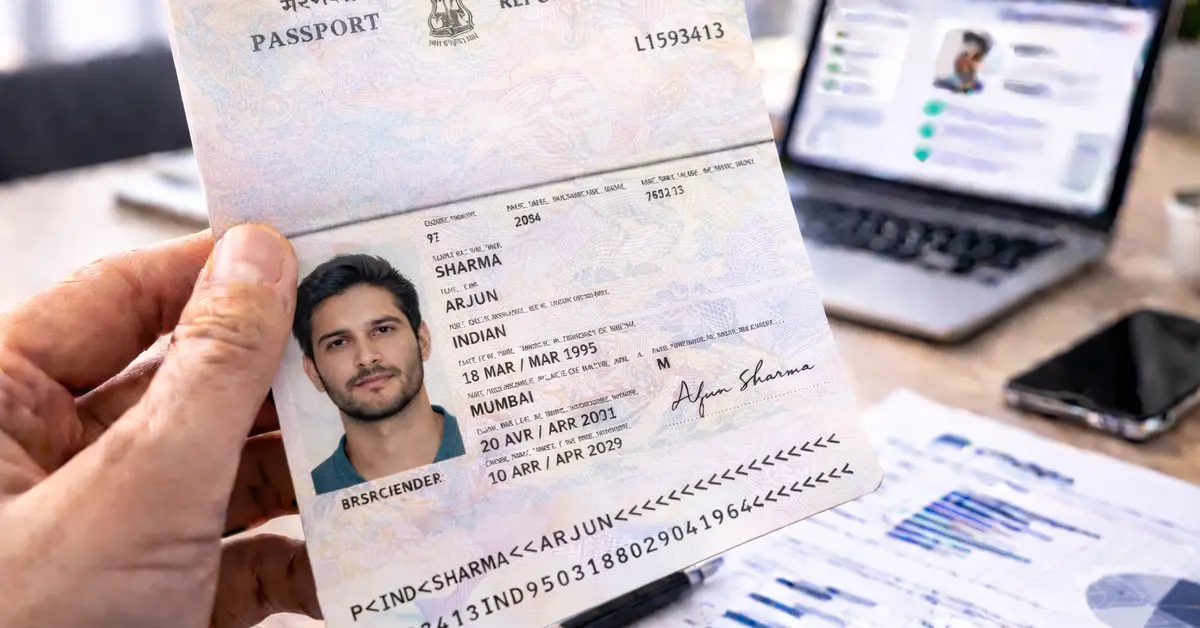
Learn how to verify an Indian passport online using 4 essential checks: MRZ analysis, security feature verification, data validation, and
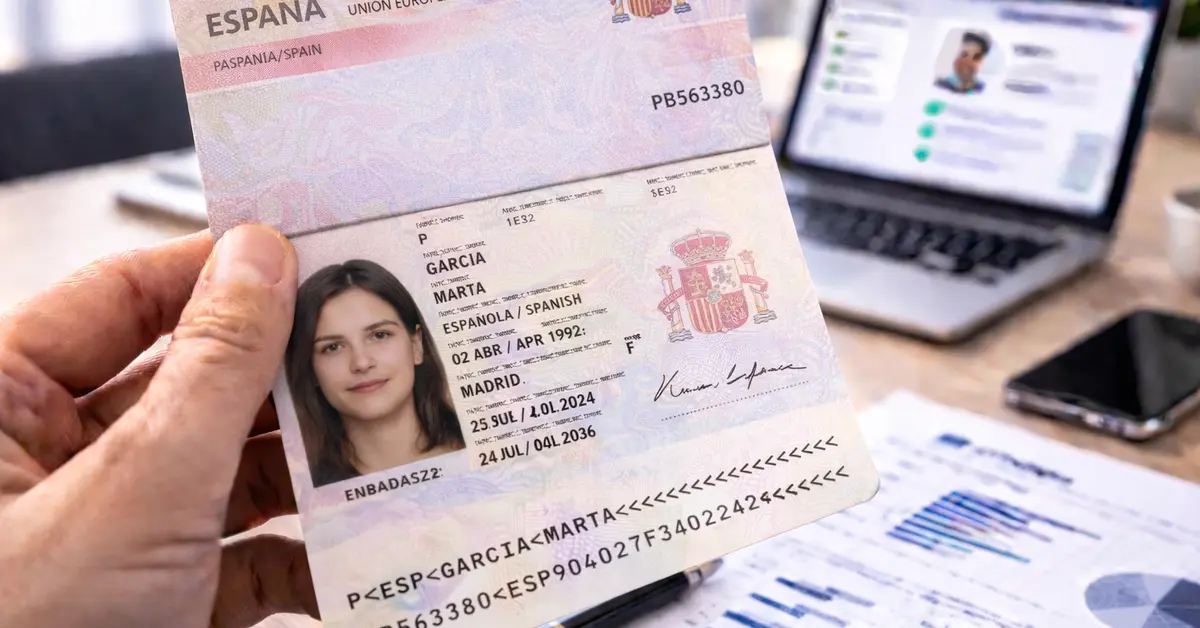
Discover the different checkpoints to verify a Spanish passport online !
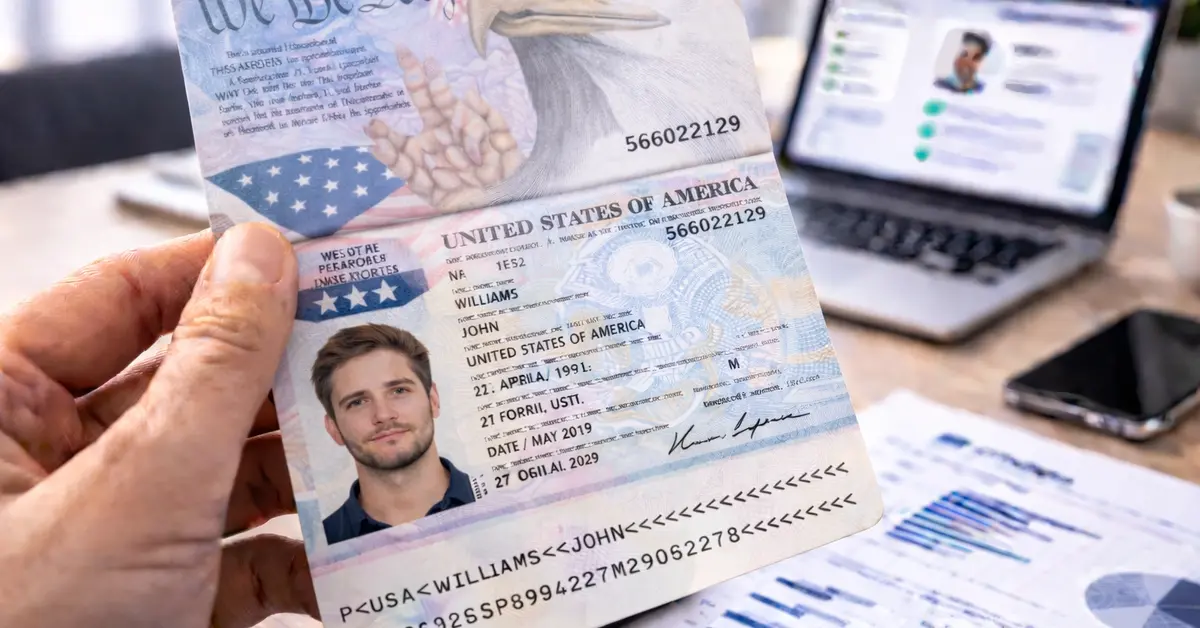
Discover the various security elements that can be checked to verify a US passport online !
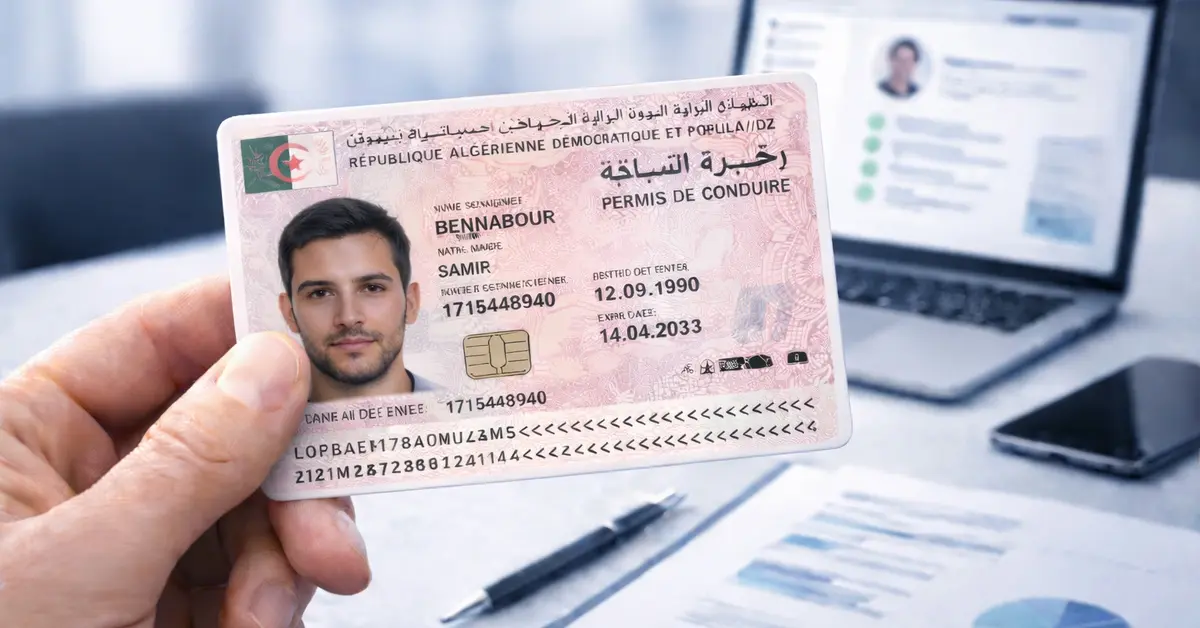
Discover the different checkpoints that allow you to validate the authenticity of an Algerian driver’s license !

Discover how to verify the authenticity of a German identity card with all the available checkpoints !
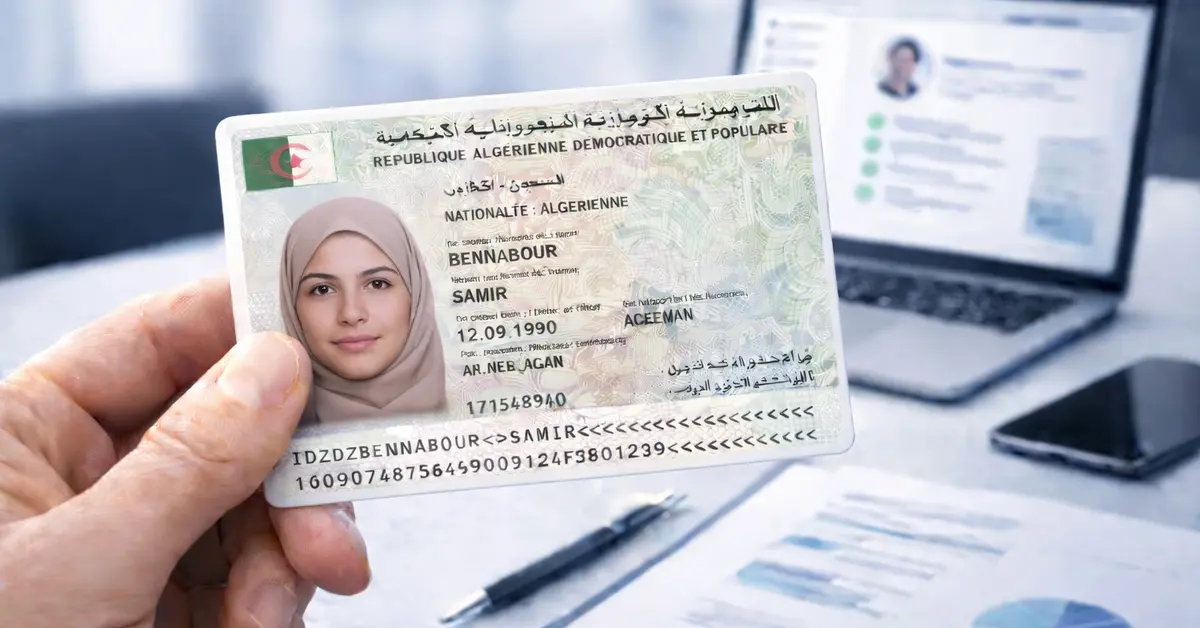
Discover how to verify an Algerian identity card (CNIBE) with all the available control points !
FAQ on document verification
Verify a document automatically
TrustDocHub allows automatic document verification and fraud detection by analyzing file data, structure, and metadata.